
The Elite Recovery Protocol to rest like a champion
You show up, you work hard, you push yourself. But every once in a while, and maybe more often than you like, your body tells you to take it easy. We are focused on putting in the work as much as possible, but this is the truth most people skip over:
Your recovery counts just as much as your work.
We’ve compiled the most important pieces together into the Elite Recovery Protocol. For the athletes that want to stay in the game the longest.

1. Sleep
YOUR MOST POWERFUL PERFORMANCE TOOL, AND NOTHING CAN REPLACE THAT.
During deep sleep, your body releases growth hormone and repairs muscle tissue. It consolidates motor patterns learned in training. It resets your nervous system for the next session.
Most CrossFit athletes need between 8 and 9 hours per night. Competitive athletes sometimes need more. If you are doing double sessions a day or peaking for competition, prioritize sleep above everything else.
Practical tips: keep your room dark and cool, avoid screens 30 minutes before bed, and sleep at consistent times. It sounds boring because it works.

2. Nutrition
FUEL YOUR BODY. FEED THE RECOVERY.
Try driving to work without fueling your car. Chances are likely you’ll end up empty somewhere halfway down the road. The same goes for training and recovery. Get enough energy in to fuel your training session, and get the right nutrients to boost your recovery afterwards.
Within 30 to 60 minutes after a hard WOD, your muscles are primed to absorb nutrients. Aim for a combination of protein and carbohydrates. Think rice and chicken, a protein shake with fruit, or greek yogurt with oats.
For solid recovery, protein intake is non-negotiable. Shoot for 1.6 to 2.2 grams of protein per kilogram of bodyweight daily. Carbohydrates replenish glycogen stores and support your next training session. Healthy fats reduce inflammation over time.
Hydration matters too. Even mild dehydration impacts strength, focus, and coordination. Drink water consistently throughout the day, not just around training.
TIP: During the hot summer days, sweating might get a bit out of hand. If you have a feeling of weakness after a very sweaty workout, instead of just drinking water, add a little salt to your drink to replenish minerals. Tastes like the sea, but works like a char

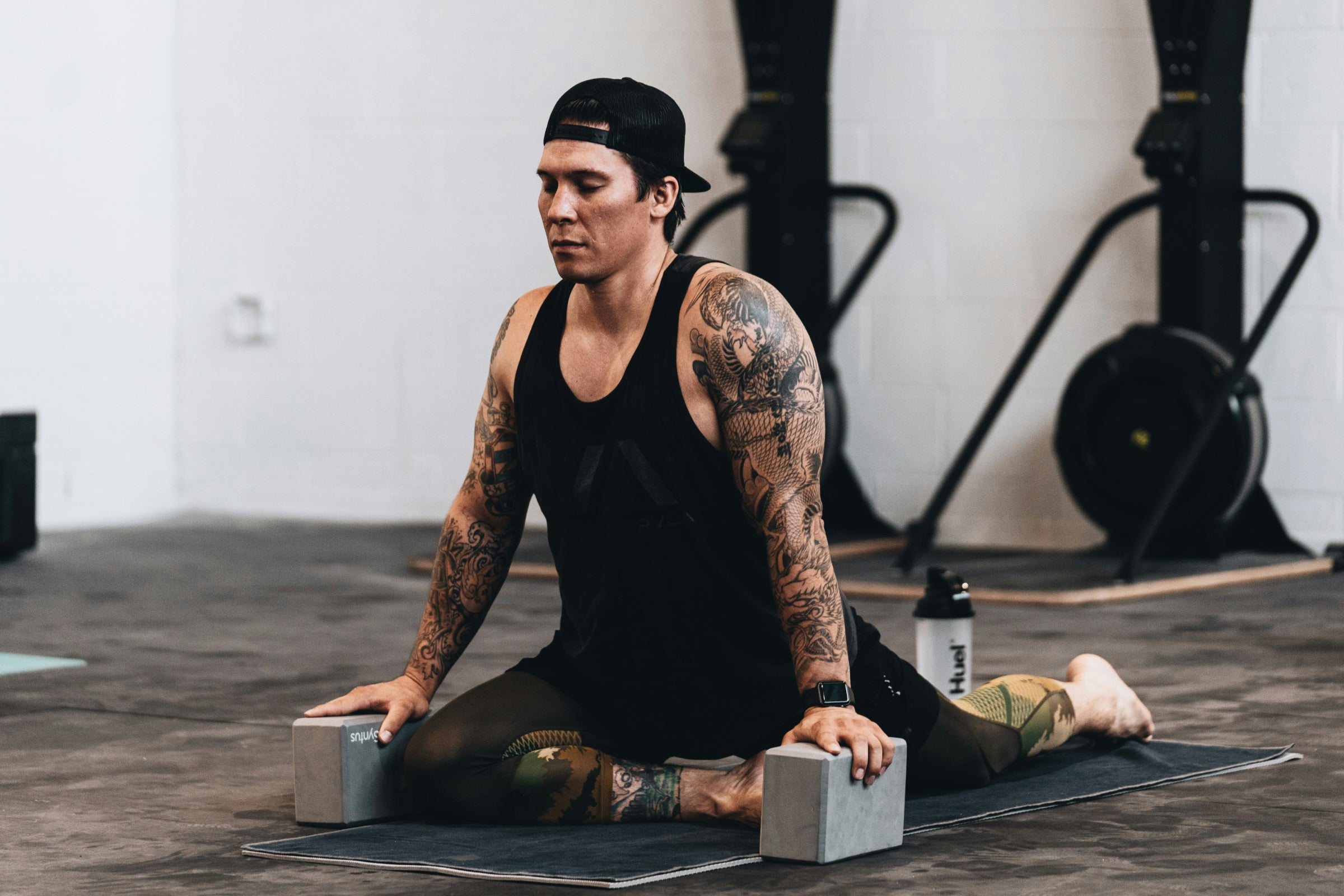
3. Stretching and Mobility
MOBILITY IS HOW TO STAY INJURY-FREE.
Many athletes treat mobility work as optional. Those athletes also spend too much time on the injured list.
Mobility is not just flexibility. It is usable range of motion under load. Good hip mobility improves your squat. Good thoracic mobility improves your overhead position. Good ankle mobility keeps your knees healthy.
Build 10 to 15 minutes of mobility work into your daily routine. Focus on areas that feel tight or restricted. Common CrossFit problem zones include hips, ankles, thoracic spine, and shoulders.
Tools like foam rollers, lacrosse balls, and resistance bands help target tissue quality. But consistency beats intensity here. Ten minutes every day beats an hour once a week.

4. Rest Days
REST DAYS ARE PART OF TRAINING. IT'S A SIGN OF STRENGTH, NOT WEAKNESS.
Active rest days are even better. Go for a walk, do yoga, swim easy, or just move gently without intensity. This promotes blood flow, speeds up muscle recovery, and keeps you mentally fresh.
Most athletes benefit from 1 to 2 full rest or active recovery days per week. If you feel persistent fatigue, soreness that lingers, or a drop in motivation, your body is asking for more rest. Listen to it.
Rest is not falling behind. Don’t feel guilty for taking a rest day, and go do something you enjoy outside of sports. Maybe binge a movie marathon? We won’t judge.

5. Deloading
THE WEEK THAT PAYS FORWARD.
A deload week is a planned period of reduced training volume and intensity. It feels counterintuitive. It is also one of the most effective things you can do for long-term performance.
After weeks of hard training, your central nervous system accumulates fatigue. Deloading gives it time to fully recover. When you return to full training after a deload, you are stronger, sharper, and more explosive.
A simple deload approach: keep the same movements, drop volume and/or weights by 40 to 50 percent, and reduce intensity. Train two or three times during the deload week. Spend extra time on mobility and sleep.
Plan a deload every 4 to 6 weeks, or whenever your performance starts to plateau. Your future self will thank you.

6. The Fun Factor
KEEP IT FUN! BECAUSE BURNING OUT OF TRAINING IS REAL.
This one does not show up in most recovery guides. That is a mistake. Sustainable athletic performance requires enjoying the process. If every session feels like a grind, something is off. The fun factor in CrossFit is one of the biggest reasons people stick with it long-term. Community, variety, personal records, shared suffering.
Protect that feeling. Do a fun partner workout or try a skill you have been avoiding. Take a class you do not normally attend and connect with your community.
Mental recovery is just as real as physical recovery. When training feels joyful again, performance follows naturally.
The Bottom Line
'HARD WORK PAYS OFF' AS MATT FRASER ALWAYS SAYS. BUT KEEP IN MIND: SMART RECOVERY PROTECTS YOUR PROGRESS.
Sleep deeply. Eat well. Move daily. Rest without guilt. Deload on purpose. And never forget why you started.
That is the Elite Recovery Protocol. Now go recover like a champion.
Read more
We spend a lot of time looking at the top of the leaderboard. We watch the elite athletes go sub-three minutes on "Fran" and wonder if they’re actually humans. But if you look past the bright light...

Some things take months of planning. And then the day finally arrives and it all comes together faster than you expected. In the last week of April we hosted the very first Baseline Athlete Day. Si...